Disease Library
Crop diseases explained
Learn the difference between symptoms, likely causes, field patterns and confirmation methods for wheat, rice, cotton, maize and sugarcane diseases.
Open disease library →
Kiyani Traders provides agricultural product support, crop-protection consultation, pest and disease identification, spraying guidance and field-monitoring support from Chichawatni for farmers across Punjab.

Use the website to understand common crop problems before contacting the team. Each section explains what to observe in the field, which symptoms matter, what can be checked with simple tools, when laboratory confirmation is useful, and how to prepare information for consultation.
Learn the difference between symptoms, likely causes, field patterns and confirmation methods for wheat, rice, cotton, maize and sugarcane diseases.
Open disease library →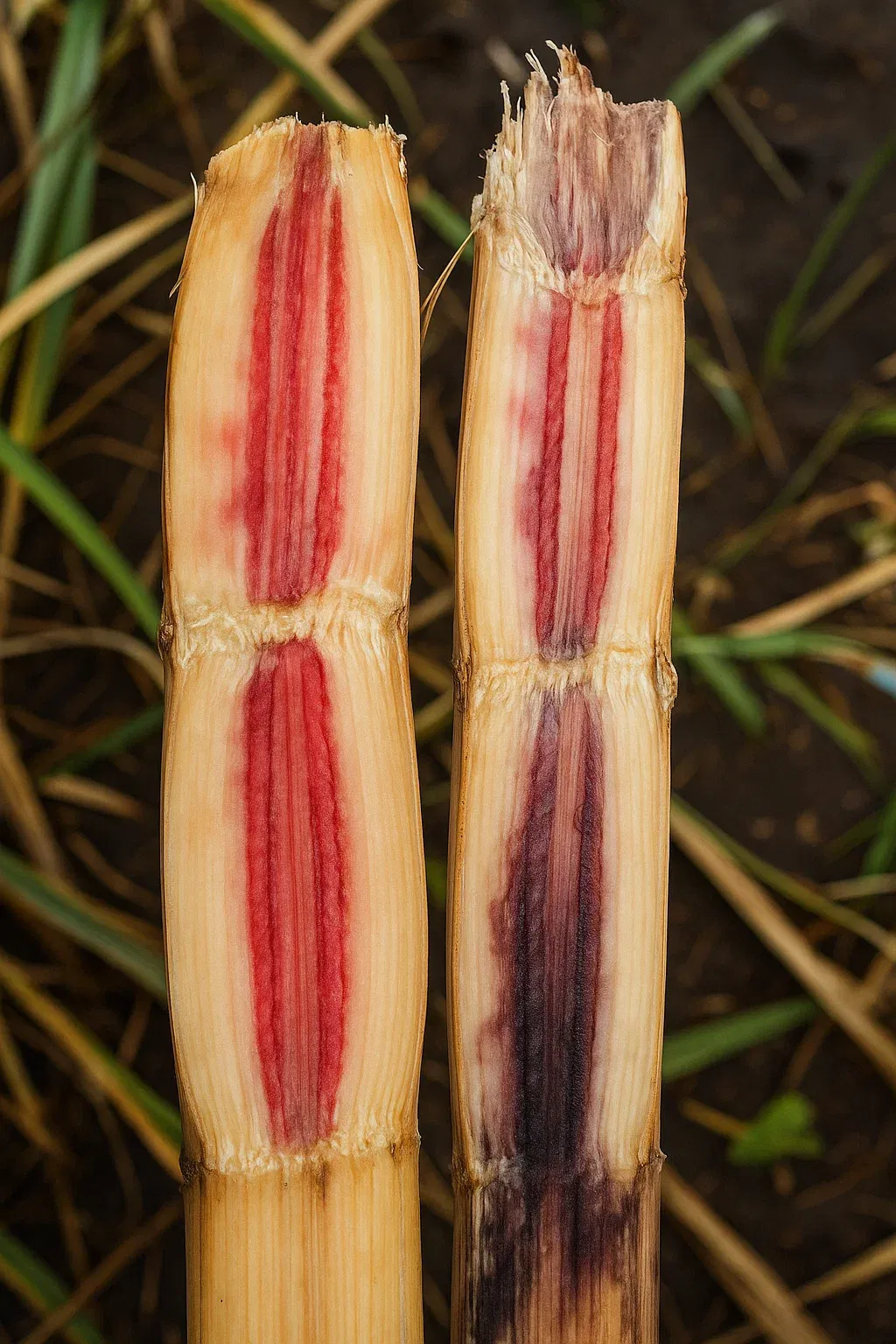
Image references help farmers compare field observations, while the text explains why one image alone should not be treated as final diagnosis.
See disease detail →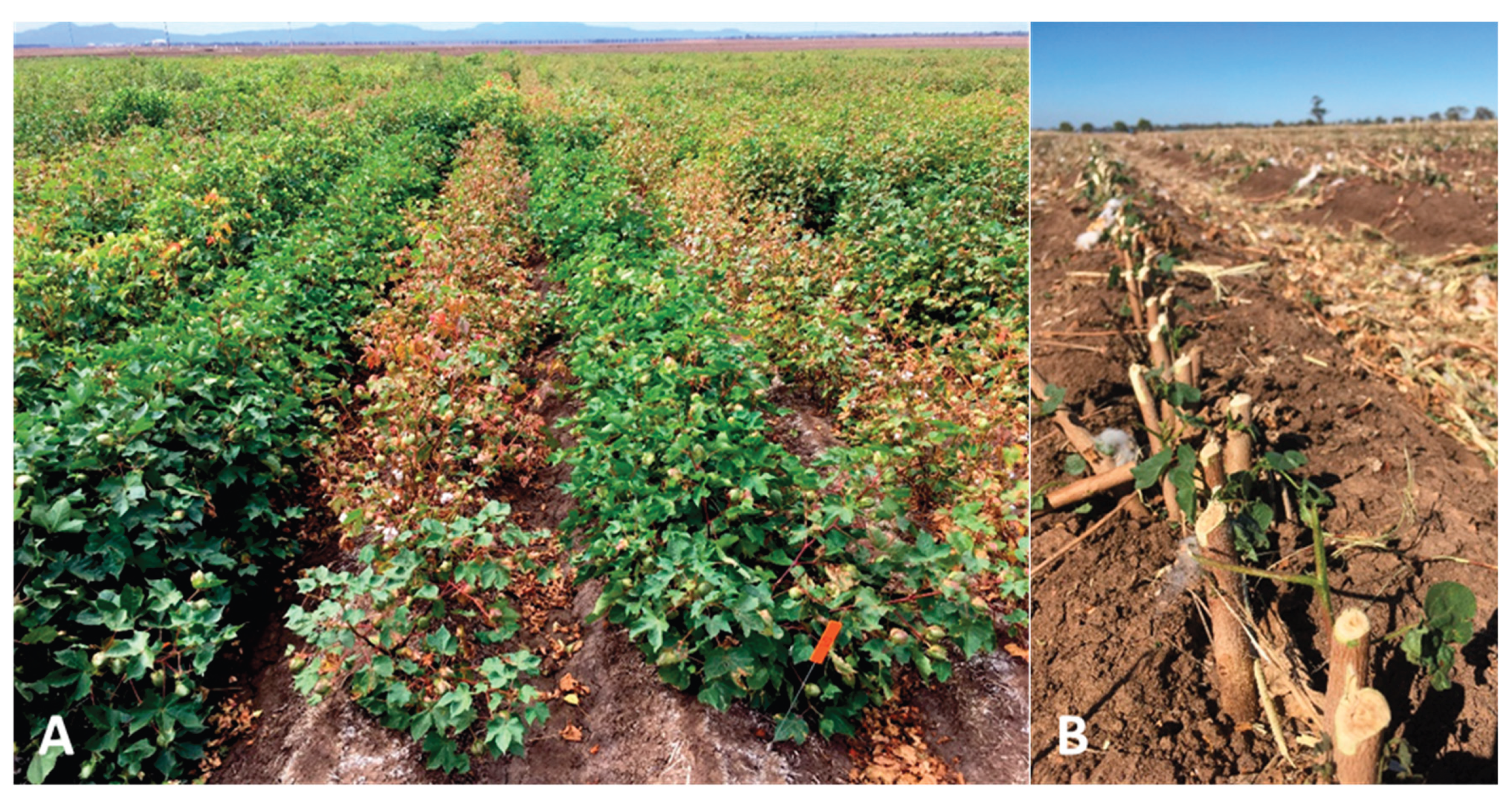
Cotton wilt and similar stress symptoms can have different causes. Learn why roots, stems, soil and field history matter.
Cotton wilt guide →Customized crop-protection plans, seasonal pest-management strategies, IPM guidance, organic farming support and cost-conscious options.
View details →Image-based initial identification, disease assessment, nutrient-deficiency clues and severity assessment through WhatsApp.
View details →Application technique, equipment selection, label-based dose checking, timing and safety practices.
View details →Field inspections, pest population monitoring, disease scouting, record keeping and follow-up recommendations.
View monitoring guide →Crop, target problem, growth stage, product label, compatibility and budget should all be considered before a product decision.
View service →If symptoms appear suddenly, send clear photographs plus crop age, variety, irrigation and recent spray details.
Send a case →Then narrow the issue by symptom, pest, disease, nutrient status and crop stage.
Useful for close field inspection of small insects, mites and fine structures.
Provides magnification for suspected fungal structures, insects and microscopic features; interpretation remains essential.
Checks acidity/alkalinity and supports investigation of nutrient availability and soil conditions.
Measures electrical conductivity and can help investigate salinity or soluble-salt stress.
Helps distinguish possible water stress from disease-like symptoms.
Depending on the problem, soil/tissue analysis, microscopy, culture, immunological methods or PCR may provide confirmation.
Call or WhatsApp with your crop problem.
Crop, age, variety, symptoms, field history and clear images.
Compare symptoms, pattern, weather and possible causes.
Discuss practical crop-protection or management options.
Monitor response and reassess if symptoms continue.
Confirm the target pest/disease, crop, growth stage and registered product label. Check weather and equipment condition.
Use the label directions and appropriate personal protective equipment. Avoid drift toward people, animals, food and water.
Observe the stated re-entry and harvest intervals, wash equipment safely and store products in original labeled containers.
Yellowing, wilting, spots and stunting can have multiple causes. A good diagnosis considers field pattern, roots, soil moisture, irrigation, fertilizer history, insects, weather and crop stage—not just the colour of a leaf.
Learn field monitoring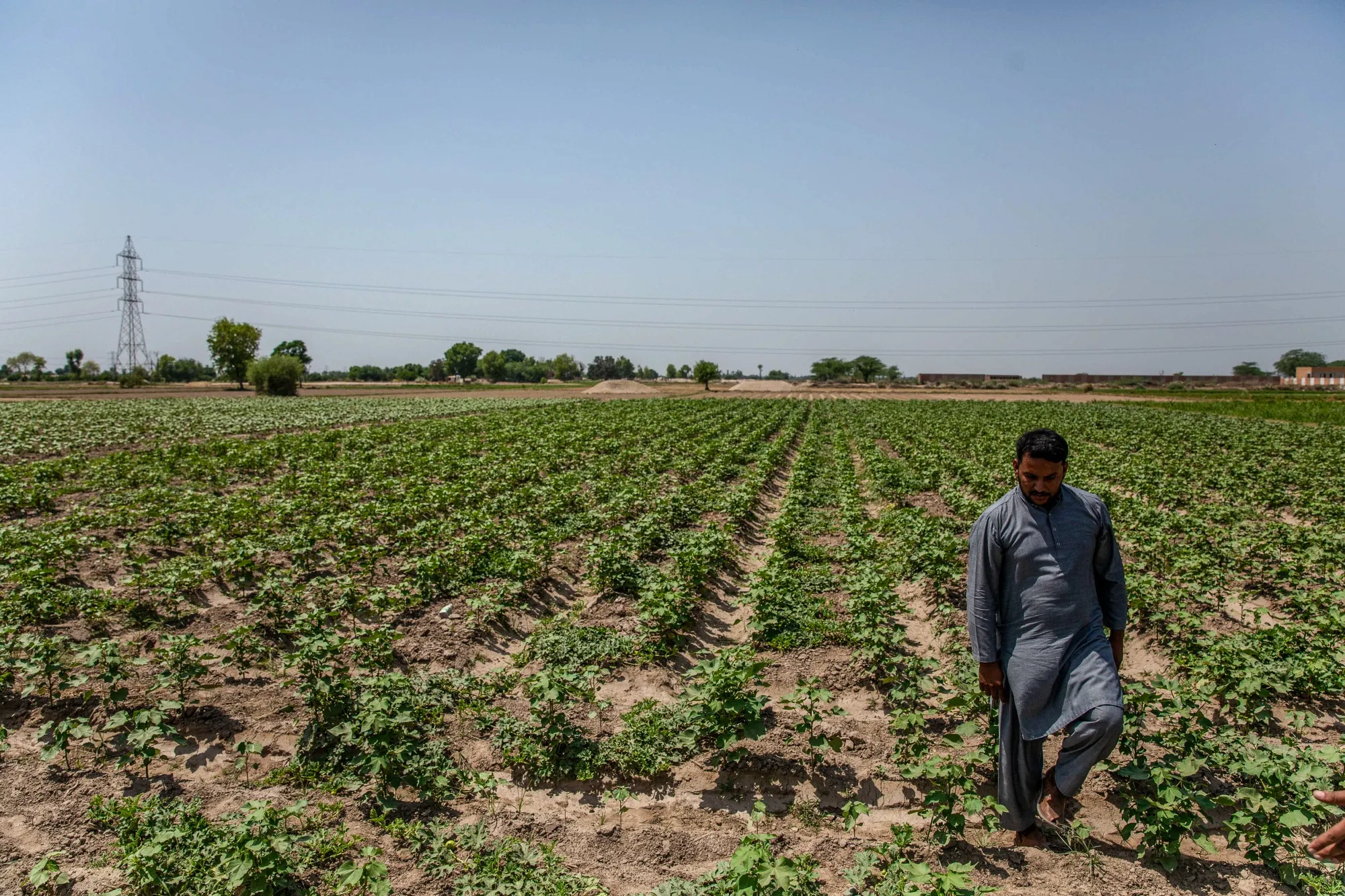
No. A photo can support an initial assessment, but some diseases need field inspection, microscopy or laboratory confirmation.
Send crop name, variety if known, crop age/stage, location, irrigation, recent fertilizers/sprays and both whole-plant and close-up photos.
The published business information describes pest identification and agricultural consultation, but does not establish that Kiyani Traders operates its own full diagnostic laboratory. Ask the business whether samples are referred to an external laboratory when confirmation is needed.
Yes. Contact the business with the product name or crop problem so availability and current guidance can be confirmed.
Shows elongated necrotic lesions on maize leaves. The image is used as a visual reference; disease confirmation should consider crop stage, field pattern and specialist assessment.
Shows internal reddish discoloration in split sugarcane stalks, a characteristic field clue used when investigating red rot.
Shows wilt-related field symptoms and stem cross-sections. Wilt-like symptoms can have several causes, so roots, soil and laboratory confirmation may be important.
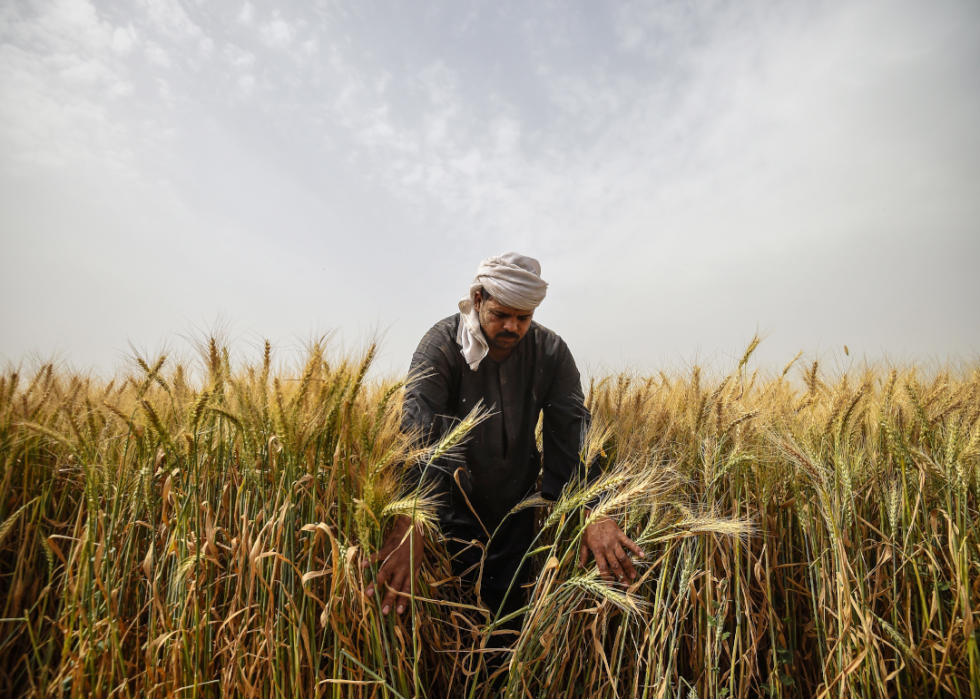
Used to visually ground the website in Pakistani agriculture and crop monitoring. They are not presented as proof of a specific disease.
Image references: Dawn, Stacker, NSW Department of Primary Industries, Amanecer Rural, BigHaat, Preprints/MDPI and Bloomberg image sources. Image rights remain with their respective owners; replace remote images with licensed/local assets before commercial deployment if required.
Include clear photographs and the crop details so the initial assessment is more useful.
Start WhatsApp Consultation